
Reviews
Description
Game Introduction
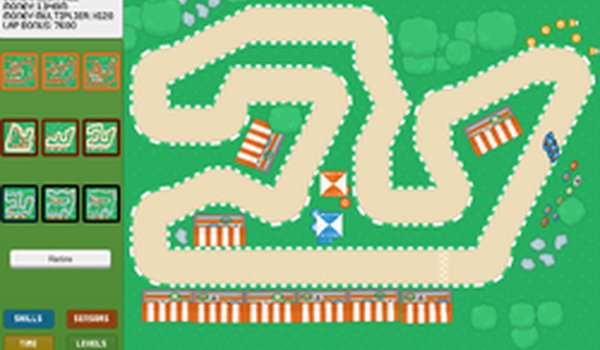
Idle AI Evolution Simulator is an educational simulation game that demonstrates how machine learning works through a simple racing example. Players observe virtual motorcycles racing around a circuit, each making decisions based on simulated sensor data. The bike that travels the farthest before stopping is selected as the best performer, and its decision-making pattern is copied to the next wave with small random changes. Over many generations, the group learns to complete the track and improve performance. This idle game requires no active input, making it a relaxing way to observe AI evolution. The simulation combines elements of racing, incremental progress, and educational content to create a unique experience. It is designed for anyone curious about how artificial intelligence can learn through repetition and adaptation.
How to Play
To play, simply start the game and watch the waves of motorcycles. Each wave consists of bikes that make random choices. The best performer is identified automatically. You can speed up the process by upgrading the generation time skill, which reduces the wait between waves. The game runs on its own, letting you see gradual improvement without constant attention. The goal is for the group to learn to finish the circuit and achieve faster lap times. Players typically observe the simulation, adjust upgrade paths, and enjoy the learning process without needing to actively control the bikes.
Game Features
Real-time AI learning visualization is the core feature. The game demonstrates trial and error evolution in a clear, visual way. It has an idle mechanic that requires no active play. You can adjust the generation speed with upgrades. The simulation is both educational and entertaining. It combines elements of racing, simulation, and incremental gameplay to create a unique learning experience. The game may include various upgrade options that affect the speed of evolution and overall performance.
Tips for Success
To get the most out of the game, observe how the motorcycles evolve over time. Pay attention to the best performers and note how their decision patterns change. Use upgrades wisely to speed up the learning process. Experiment with different upgrade paths to see how they affect the evolution. The key is patience—the AI learns gradually, so let the simulation run to see the full effect.
✅ Compatibility & Testing
Related Titles

Vehicle Coloring Fun for Kids
A safe, creative coloring activity that helps kids learn about vehicles while having fun.

Escape the Cell: Underground Strategy
Escape the Cell offers clever tunnel-digging puzzles with simple controls and high replay value.

Children Career Exploration Game
A delightful educational game that introduces kids to careers through simple, fun activities. Perfect for young learners.

Desert Driver: Wasteland Adventure
A rewarding open-world driving game with deep vehicle customization and strategic resource management.

Pet Clinic Management Simulator
A delightful pet clinic management game with simple controls and rewarding progression. Perfect for animal lovers.

Luxury Life Simulator
A relaxing browser game where you manage wealth and enjoy luxury items. Simple controls and clear progression make it fun for all ages.

Chef Platformer Cooking Quest
A delightful mix of platforming and cooking puzzles that keeps you engaged with its cheerful kitchen setting.
Kogama Parkour Challenge
A fun, free 3D parkour game with simple controls and engaging multiplayer races.

Diner Dash Arcade Puzzle
A delightful path-drawing puzzle that challenges your planning skills in a cheerful diner setting.
Island Farm Cat Gardening Game
A relaxing browser gardening game with a cute cat companion. Easy to learn and perfect for unwinding.